


Recovery After Exercise
Good recovery allows exercise to build strength, energy and capability instead of leaving you constantly depleted. Learn how sleep, food, hydration, lighter days and sensible progression help the body adapt.

Improve Your Reaction Time to Stay Sharp and Vital
Reaction time affects far more than sport. Discover how safe cue-based movement, stepping practice, strength, sleep and sensory health can help you respond more quickly and confidently in everyday life.

Vegetarian or Omnivore: Which Diet Is Better for Healthy Ageing?
Vegetarian diets can be healthy, but do they offer an advantage over a balanced omnivorous diet? We compare protein, essential nutrients, longevity and the practical demands of eating well as we age.
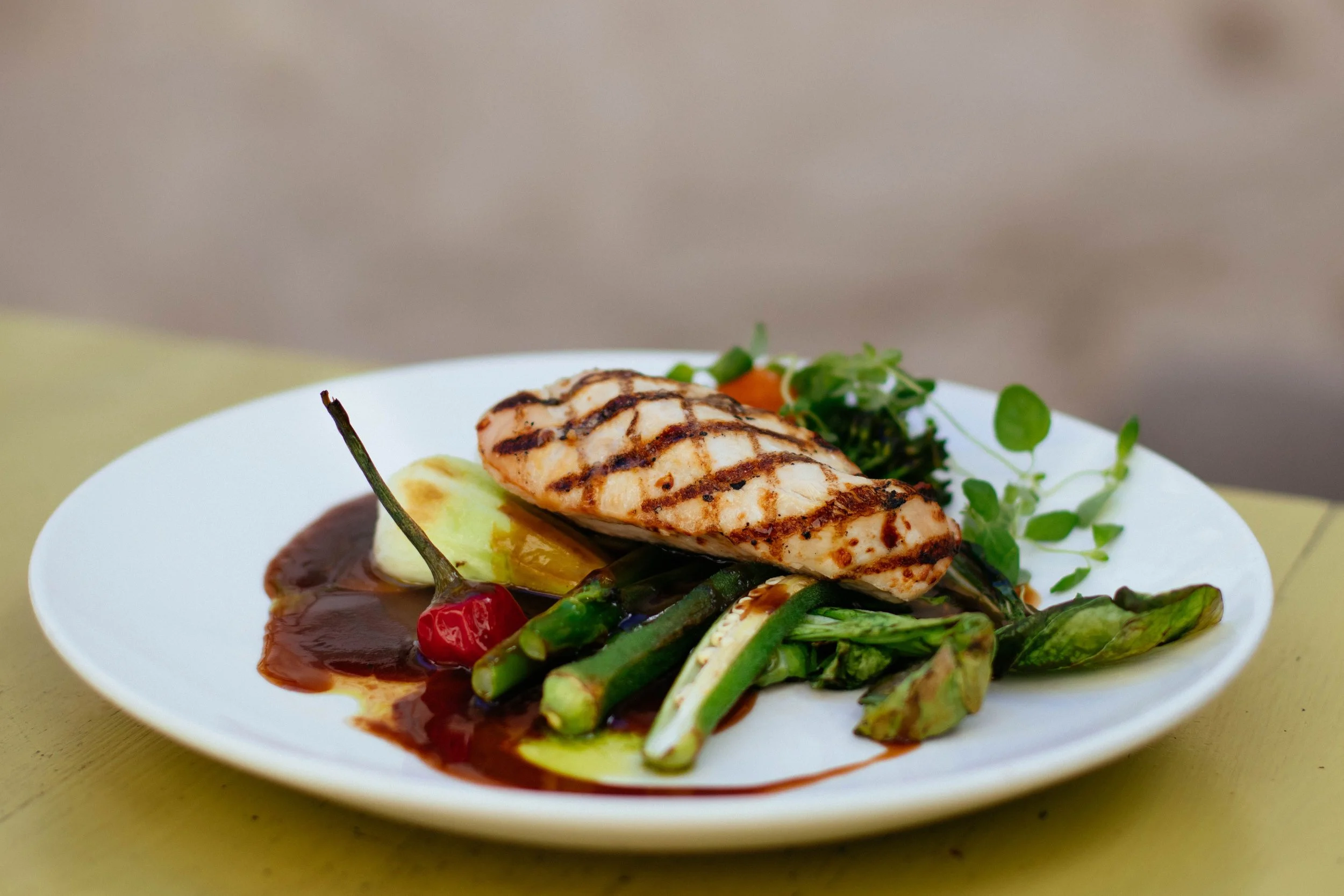
Why Do Some Meals Keep You Full for Longer Than Others?
Two meals with similar calories can affect hunger very differently. Learn how protein, fibre, food volume and meal structure can help you feel satisfied for longer.

Stronger Legs, Greater Vitality: Move More, Tire Less and Keep Your Independence
Stronger legs can make everyday movement easier, leave you with more energy and help preserve the freedom to enjoy life. Discover five practical movements that build useful strength without requiring a gym.

How to Improve Your Flexibility and Move More Freely
Flexibility is not about achieving extreme positions. Discover how gentle stretching, controlled movement and strength through your available range can help you move more freely and confidently.

How to Improve Your Cardiovascular Fitness for Greater Vitality
Cardiovascular fitness gives you more energy and capacity for everyday life. Discover how to choose suitable aerobic exercise, find the right intensity and improve progressively without exhausting yourself.

Why Do Some People Bounce Back Better as They Age?
Why do some people recover quickly from illness, injury or inactivity while others struggle? Discover how physiological reserve supports resilience and how everyday habits can help protect and rebuild it.What Is Vitality, and How Can You Improve It?
Vitality is more than the absence of illness. It is the energy, strength, resilience and enthusiasm that allow us to participate fully in life. Discover how movement, muscle, sleep, nutrition, cellular energy and mental engagement work together to support vitality at every age.
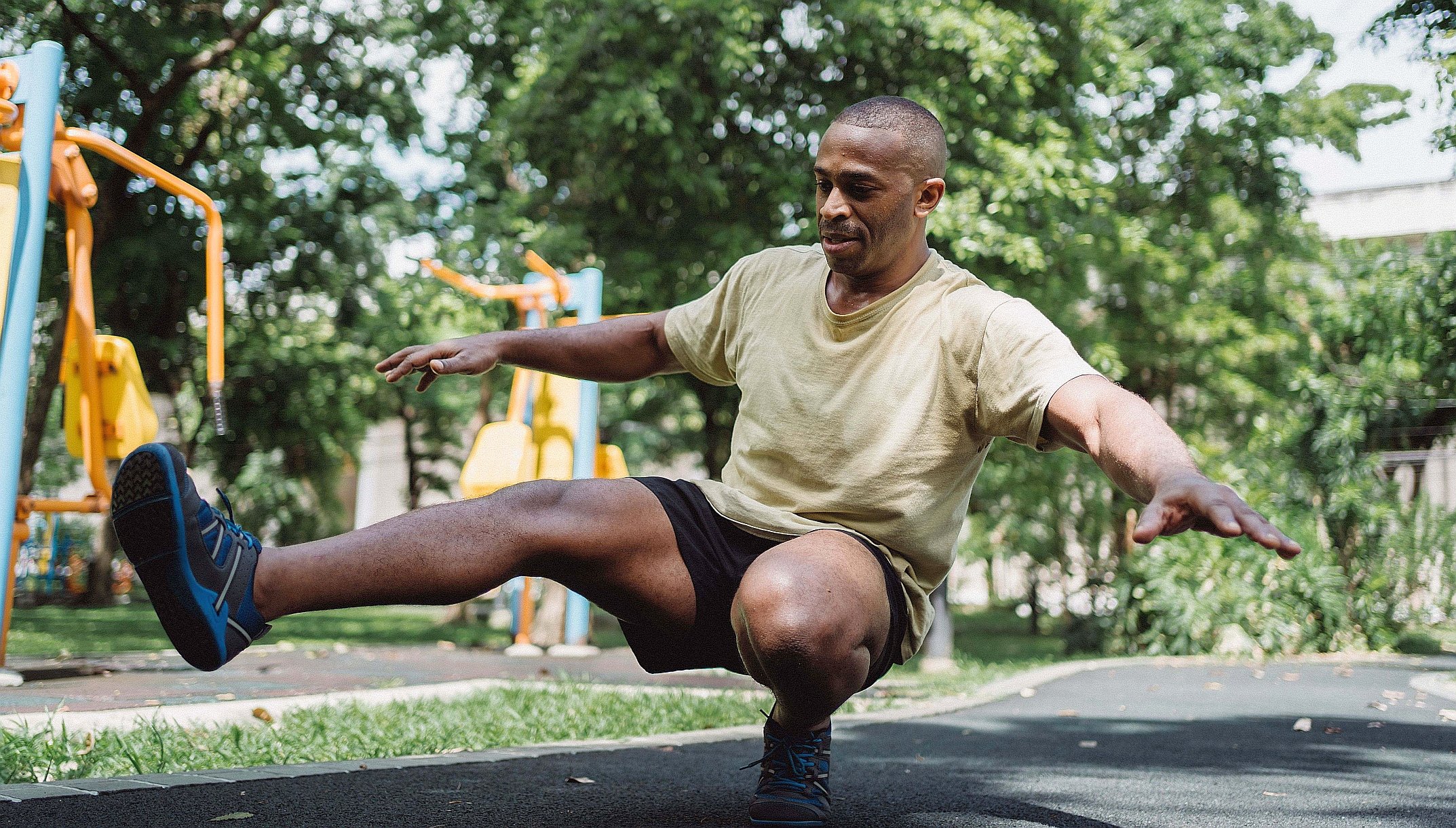
What Can Grip Strength and Getting Up From the Floor Tell Us About Our Health?
Grip strength and the ability to get up from the floor may offer clues about strength, mobility, physical reserve and vitality. Discover what these tests can tell us, how technique affects the result and why neither should be treated as proof of health.
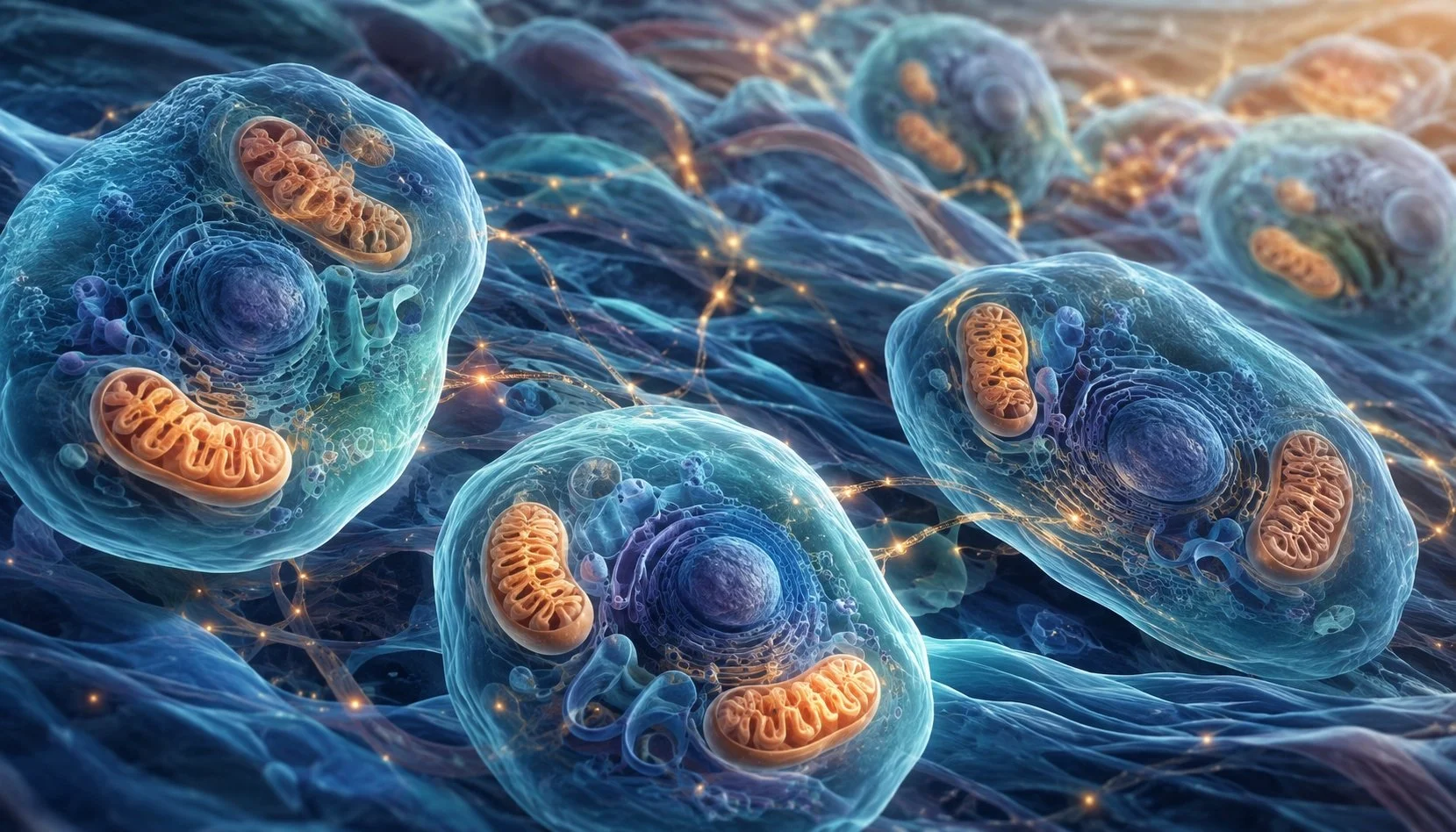
Can You Improve the Health of Your Mitochondria?
Mitochondria are dynamic cellular structures that produce energy, respond to physical demands and continually renew themselves. Discover how exercise, nutrition, recovery and targeted supplementation may support their health and function.

Can You Slow Down Biological Ageing?
Biological age can differ from the number of years you have lived. Discover what biological ageing means, whether it can be slowed and which habits genuinely help preserve energy, capability and youthfulness.
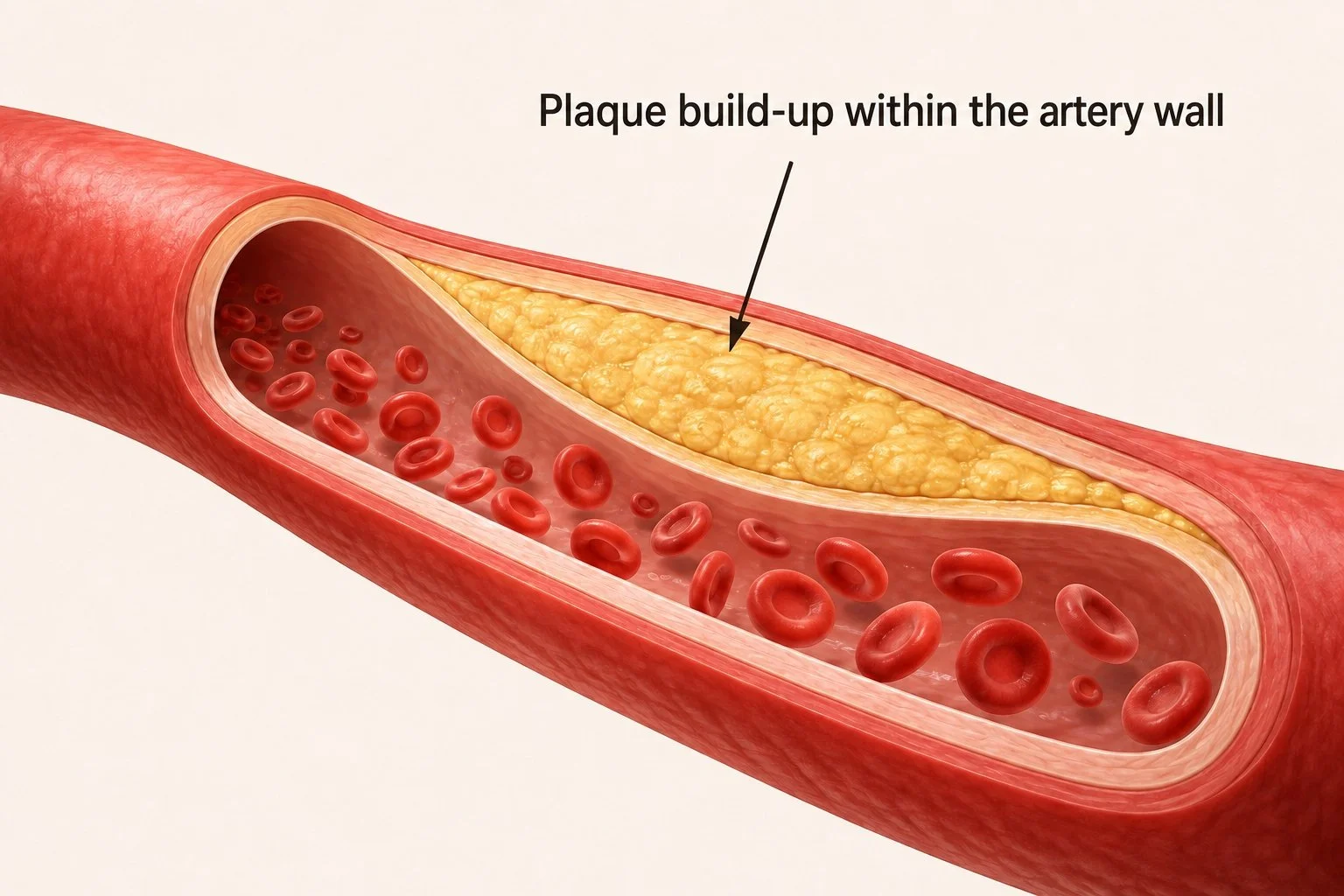
Does Your Body Really Need Cholesterol?
Your body needs cholesterol to build cells, produce hormones, make vitamin D and support digestion. But too much cholesterol carried in certain blood particles can damage arteries. Discover why cholesterol is essential—and when it becomes a health concern.

Why Does Your Physical Balance Decline, and Can You Improve It?
Physical balance depends on several body systems, but weak gluteus medius muscles can play a major role in instability. Discover why this important hip muscle matters and how specific exercises can improve balance and control.

Why Is Muscle Important for More Than Strength?
Muscle does far more than make us stronger. It supports movement, balance, blood-sugar control, metabolism, bone health and physical independence while providing an important reserve during illness and ageing.
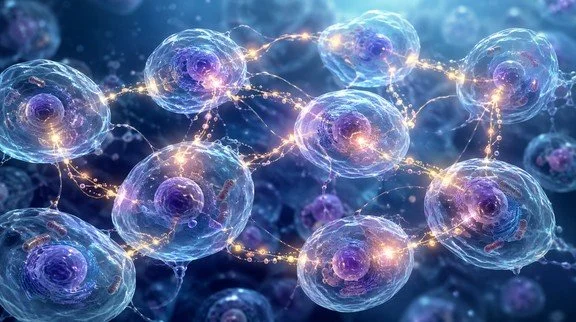
How Does Redox Signalling Affect Energy, Repair and Ageing?
Redox signalling helps cells communicate, produce energy, respond to exercise, regulate inflammation and repair damaged tissue. Discover why these reactive molecules are essential for health—and why maintaining balance matters as we age.

Why Does My Energy Crash in the Afternoon?
An afternoon energy crash can leave you tired, unfocused and reaching for caffeine or something sweet. Learn why it happens and what may help you maintain steadier energy throughout the day.

How Can You Get More Energy Without Relying on Caffeine?
Caffeine can make you feel more alert, but it cannot replace genuine energy. Discover how sleep, nutrition, hydration, movement and recovery can support steadier energy throughout the day.

How Does Depression Affect Energy and Motivation?
Depression affects more than mood. It can drain energy, reduce motivation and make everyday activities feel surprisingly difficult. Understanding why this happens can be an important step towards restoring wellbeing and vitality.
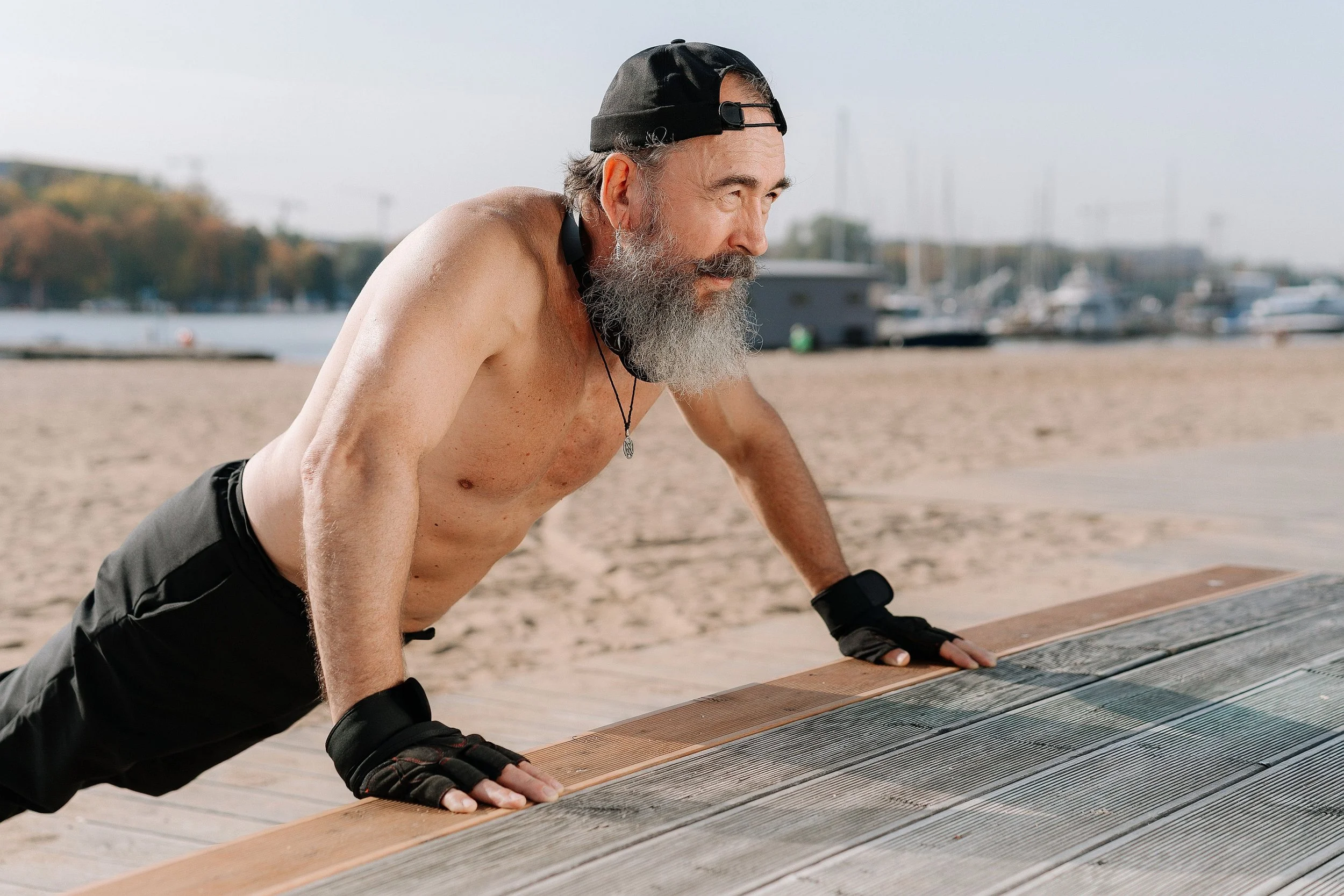
Why Do We Lose Muscle as We Get Older, and What Can We Do About It?
Muscle loss is a natural part of ageing, but inactivity can make it worse. Learn why we lose muscle as we get older and how exercise, strength training and nutrition can help maintain strength and independence.